ACTA rejected by European Parliament; protesters rejoice
Licensed archive · Attributed source reporting
411 Brief
The proposed Anti-Counterfeiting Trade Agreement (ACTA) was defeated in a plenary session of the European Parliament with 478 votes against versus 39 supporting; 165 parliamentarians chose to abstain. Pressure and activist groups across Europe celebrated the defeat of the legislation, attributing their success to mobilising the public to bring pressure to bear on MEPs. In thanking supporters, the UK's Open Rights Group (ORG) cautioned that Karel de Gucht, current European Commissioner for Trade, deferred any decision as to how the Commission w
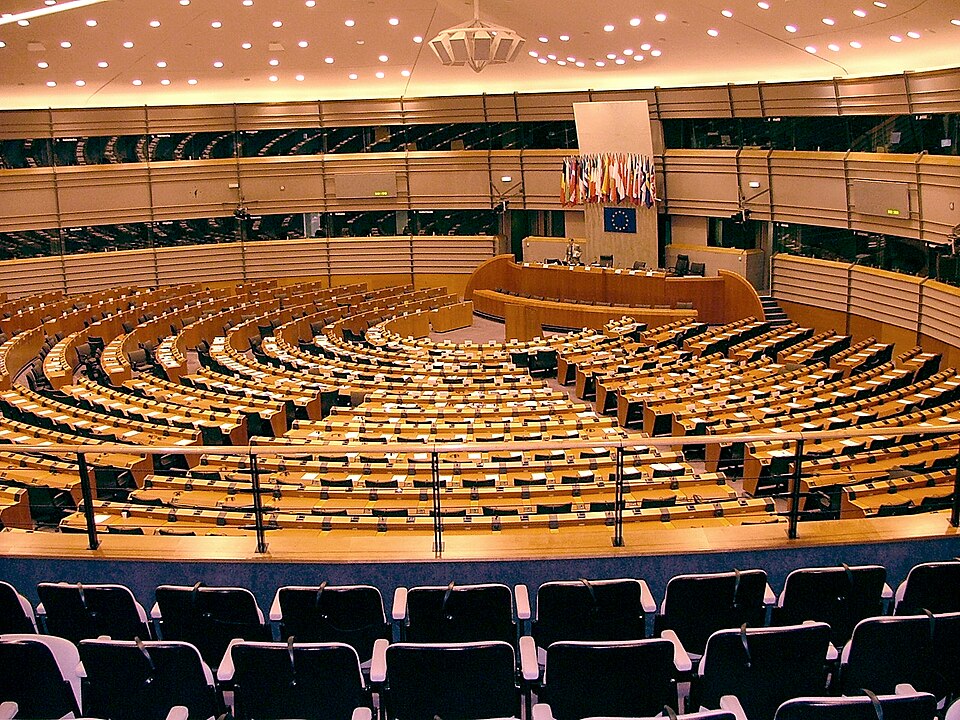
The proposed Anti-Counterfeiting Trade Agreement (ACTA) was defeated in a plenary session of the European Parliament with 478 votes against versus 39 supporting; 165 parliamentarians chose to abstain.
Pressure and activist groups across Europe celebrated the defeat of the legislation, attributing their success to mobilising the public to bring pressure to bear on MEPs. In thanking supporters, the UK's Open Rights Group (ORG) cautioned that Karel de Gucht, current European Commissioner for Trade, deferred any decision as to how the Commission will move forward until after a ruling from the European Court of Justice on ACTA's compatibility with European law.
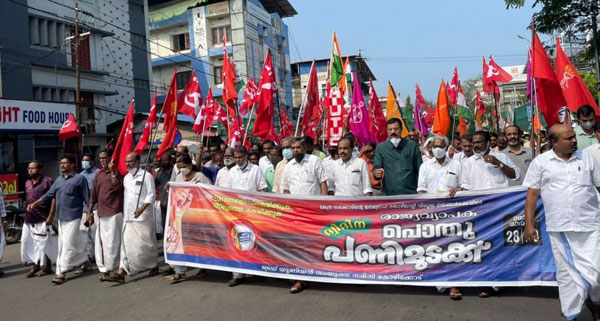
The controversial copyright- and trademark-related trade agreement previously provoked massive rallies and demonstrations across Europe. A petition against ACTA accrued two million signatures. In an editorial on the resounding defeat, where MEPs held up placards post-vote which read "Hello Democracy Goodbye ACTA", The Guardian's technology editor Charles Arthur said the agreement "didn't stand a chance". Arthur pointed out that some of the counterfeiting problems ACTA was, in part, supposed to address are ones which should concern people, particularly the risks associated with fake drugs. However, with the vague wording of the trade agreement raising the possibility of travellers' electronic devices being searched for copyright-infringing content at customs and border checkpoints, he concluded the secretly-negotiated deal "never stood a chance against the internet tidal wave" of opposition.
Arthur also highlighted that secrecy surrounding the drafting of ACTA encouraged widespread public opposition; negotiations began under the presidency of George W. Bush, which rebuffed requests from the Electronic Frontier Foundation stating that all but ten of 800+ pages of related material were "classified in the interest of national security". Following Barack Obama taking office, another Freedom of Information request was filed; again, access was denied with the Obama administration asserting that national security concerns justified the entire draft and related documents remaining secret.
, stated Sebastian Nerz, vice-president of the Pirate Party of Germany.
Protesters criticised the vague wording and legal uncertainty ACTA would have introduced. Widespread censorship of the internet and curtailment of freedom of speech were feared; patent regulations were highlighted as having potentially adverse impact on access to medicines and crop seeds. The trade agreement, which US-based pressure group Accessnow.org described as "giving the U.S. a structural competitive advantage over other countries", had already amongst its signatories Australia, Canada, Japan, Morocco, New Zealand, Singapore, South Korea, and the United States.
The long-running campaign against ACTA can in part be traced to publication of a leaked draft of the agreement on whistleblowing site Wikileaks. Their analysis concluded one part of the document was "a 'Pirate Bay killer' ", and the then-leaked draft would force internet service providers to provide "perfunctionary disclosure of customer information" and would "likely outlaw multi-region CD/DVD players."
Sources & reporting note
Licensed archive reporting by Wikinews contributors. Text: CC BY 2.5 (https://creativecommons.org/licenses/by/2.5/). Original source date retained. 411 has not independently verified this archive report.
Read the source: Wikinews ↗Source published 6 Jul 2012, 05:30 am IST