Brazilian astronomers propose new model of our galaxy
Licensed archive · Attributed source reporting
411 Brief
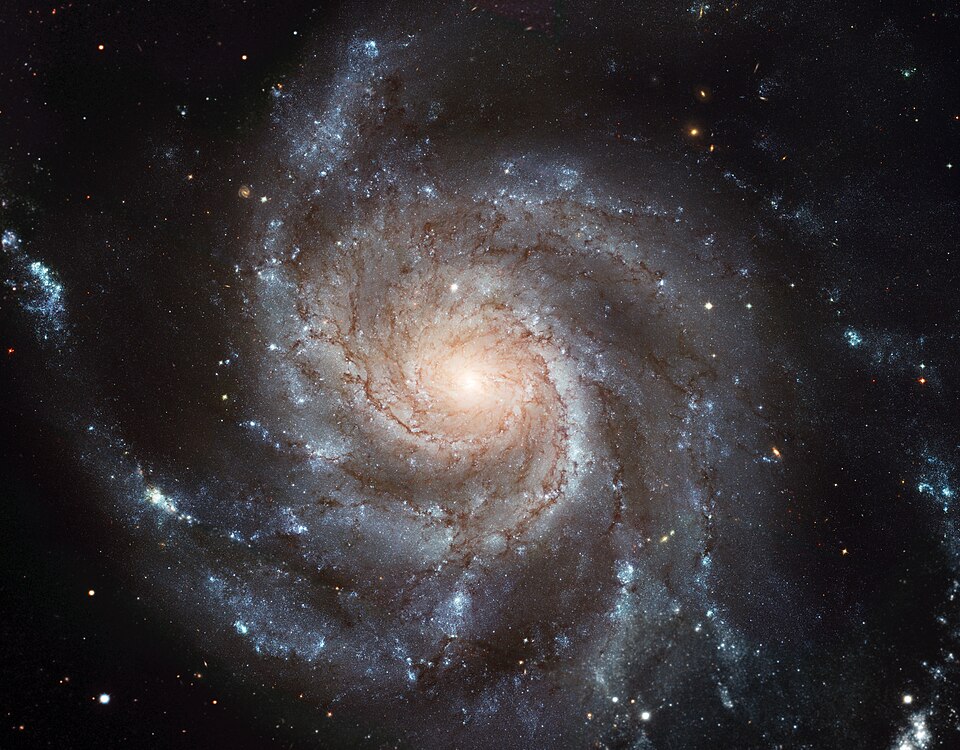
Brazilian astronomers have proposed a new model to explain the structure of our galaxy, the Milky Way. The new model suggests that our galaxy may have one more arm than previously thought and that these arms are more straight than curved. The astronomers, led by Jacques Lepine at the University of Sao Paulo, used data from clouds of gas to develop their new proposed model. In order to study the structure of the Milky Way, the astronomers studied spectra created by Carbon monosulphide clouds, contrary to the common method of analyzing spectra
Brazilian astronomers have proposed a new model to explain the structure of our galaxy, the Milky Way. The new model suggests that our galaxy may have one more arm than previously thought and that these arms are more straight than curved.
The astronomers, led by Jacques Lepine at the University of Sao Paulo, used data from clouds of gas to develop their new proposed model.
In order to study the structure of the Milky Way, the astronomers studied spectra created by Carbon monosulphide clouds, contrary to the common method of analyzing spectra from clouds of ionized hydrogen. This method was used in hopes of producing an accurate 'face-on' map of our galaxy.
The postulated extra arm, if indeed actual, will increase the number of known arms from two to three. Previously, in 2008, the number was changed from four to two. This new arm is estimated to be about 30,000 light-years from the center of the Milky Way and is thought to have a "strong inward curvature".
The new model also suggests that our Solar System is in one of the straightest parts of an outer arm of our galaxy.
Sources & reporting note
Licensed archive reporting by Wikinews contributors. Text: CC BY 2.5 (https://creativecommons.org/licenses/by/2.5/). Original source date retained. 411 has not independently verified this archive report.
Read the source: Wikinews ↗Source published 15 Oct 2010, 05:30 am IST