New study shows children's perception of rainforest wildlife
Licensed archive · Attributed source reporting
411 Brief
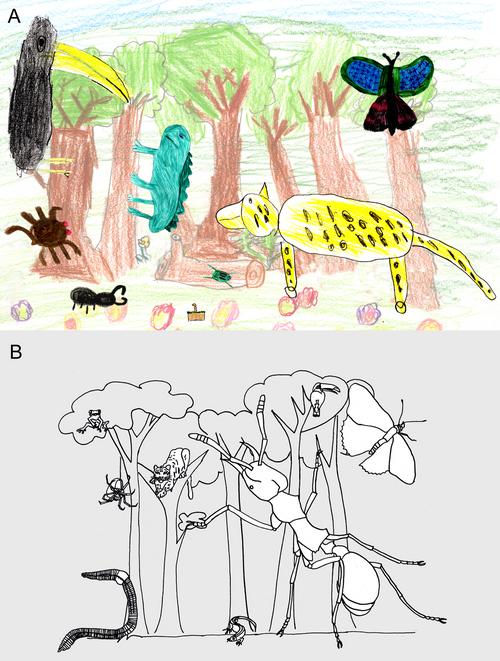
A recently released study has shown how dramatically children's perception of wildlife differs from the animal's effect on the rainforest. The study said that it aimed to "investigate UK children's perceptions of the biodiversity and ecology of rainforest environments," by evaluating "children's perceptions by assessing their drawings of rainforests." The study showed that children have a greater awareness of the animals like tigers and spiders, instead of the more common species like ants, which are often considered less exciting. This is des
A recently released study has shown how dramatically children's perception of wildlife differs from the animal's effect on the rainforest. The study said that it aimed to "investigate UK children's perceptions of the biodiversity and ecology of rainforest environments," by evaluating "children's perceptions by assessing their drawings of rainforests."
The study showed that children have a greater awareness of the animals like tigers and spiders, instead of the more common species like ants, which are often considered less exciting. This is despite the fact that these species have the greatest effect on the rainforest.
Children from aged 3 to 11 were included in the study, and all age groups had a disproportionately large amount of mammals and birds in their drawings. Around half of the participants were aged over eight, and both the three to five and five to seven age group covered around a quarter of the participants each.
Sources & reporting note
Licensed archive reporting by Wikinews contributors. Text: CC BY 2.5 (https://creativecommons.org/licenses/by/2.5/). Original source date retained. 411 has not independently verified this archive report.
Read the source: Wikinews ↗Source published 3 Jul 2008, 05:30 am IST